20 Easy Buffet Setup Ideas for Any Event
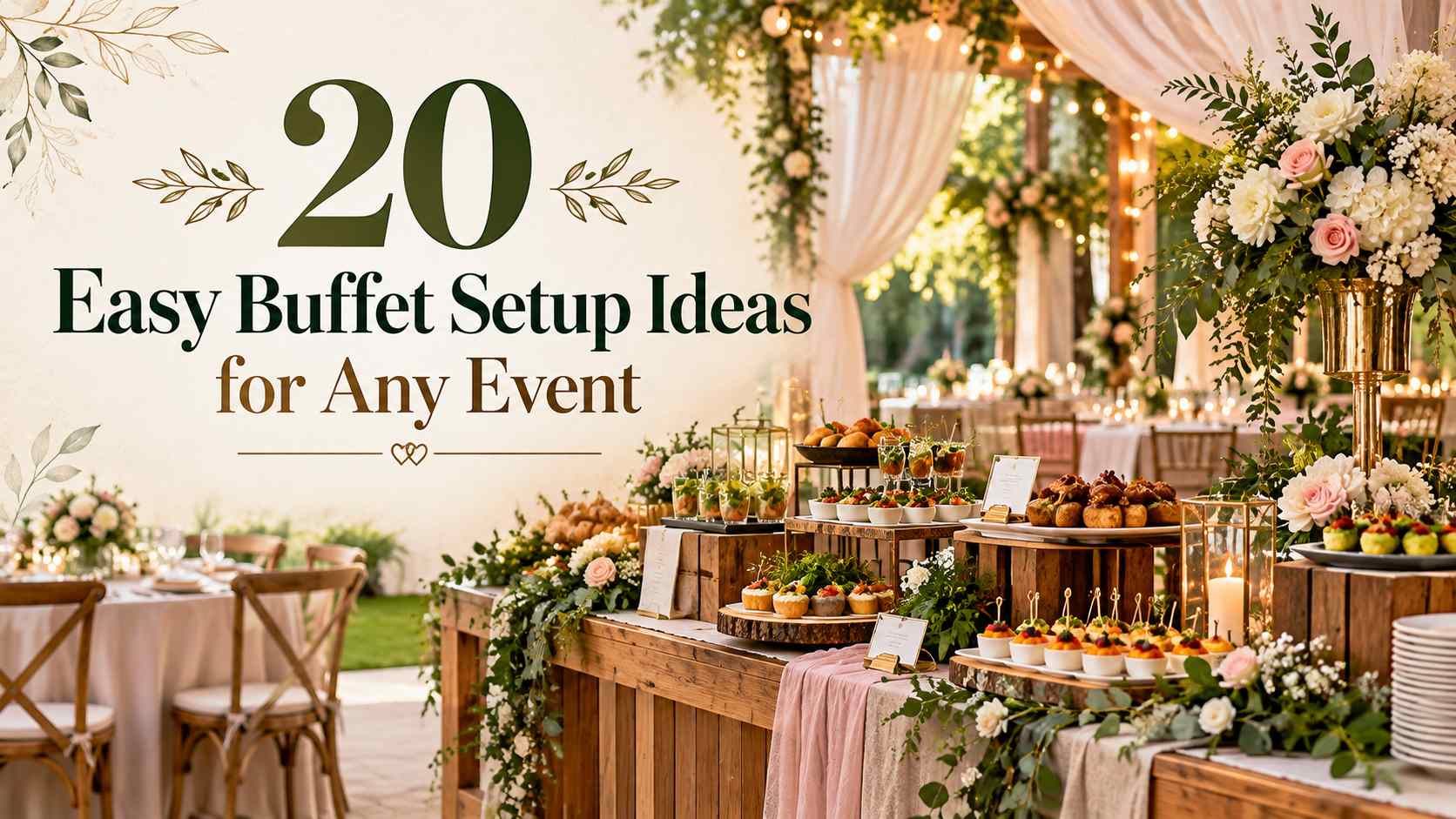
Looking for buffet setup ideas that actually work? A good buffet keeps the line moving, keeps the food warm and looks nice on the table. It doesn’t matter if you’re feeding ten people at home or three hundred at a wedding, the same basic ideas apply. Here are 20 buffet setups to pick from, plus a few simple guides on layout, line flow and equipment. Find the one that fits your room.
20 Buffet Setup Ideas to Pick From
Here they go, from simple to fancy. Some fit any room and some need more space.
1. The Straight Line Buffet
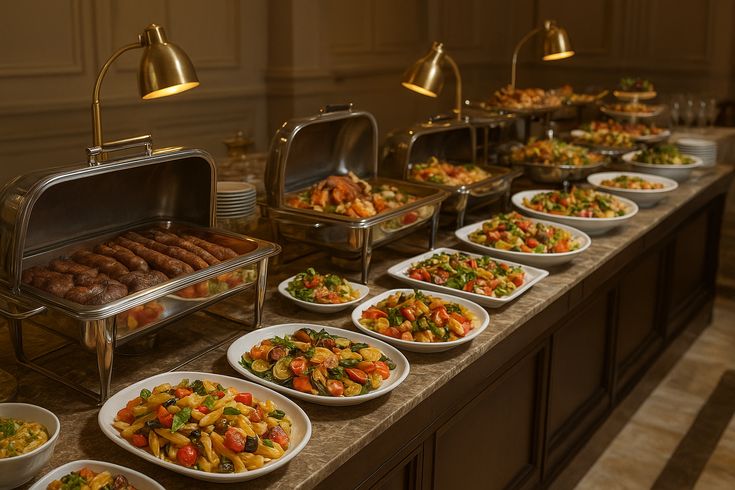
This is the one most people think of. One long table or counter sits against a wall and guests line up on one side. It’s easy to set up and fits almost any room. The only problem is the wait, since everyone stands in one row. It works best for smaller guest lists or when you have plenty of wall space.
2. The Double Sided Buffet
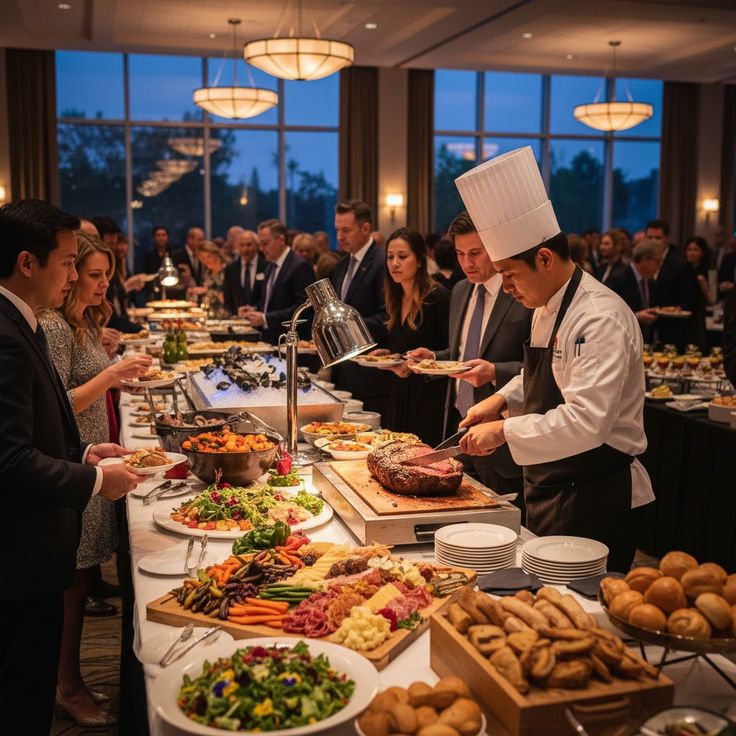
Guests can walk up from both sides here, so two lines move at the same time. That cuts the wait down a lot, and it’s why caterers like it for bigger crowds. You need enough room to walk all the way around the table. Put the same food on both sides so nobody feels like they picked the slow line.
3. The Island Buffet
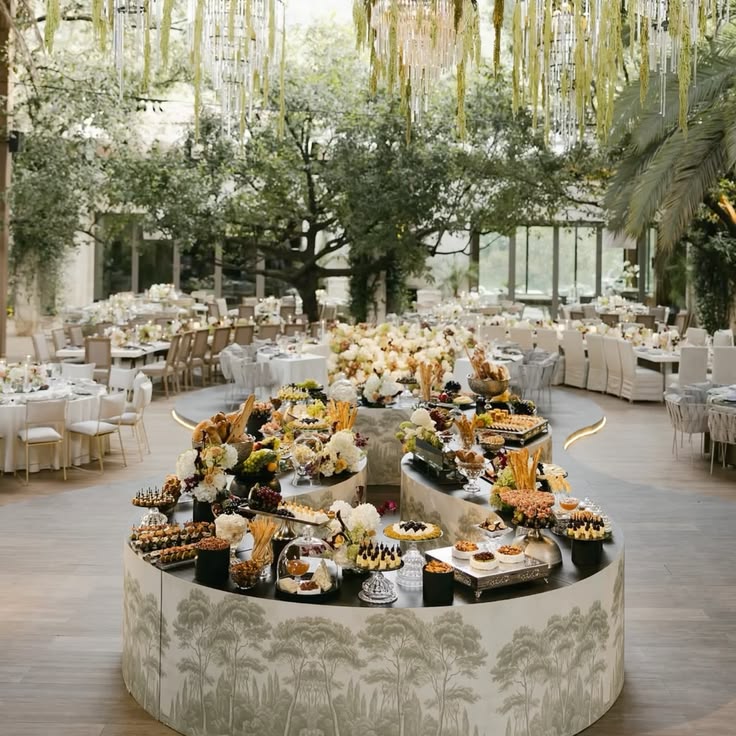
An island buffet sits out in the middle of the room with space to walk around it. The food becomes the center of the room and it looks great in photos. It does need extra floor space, and you have to keep the walkways clear. Skip this one if your room is tight.
4. The U Shaped Buffet
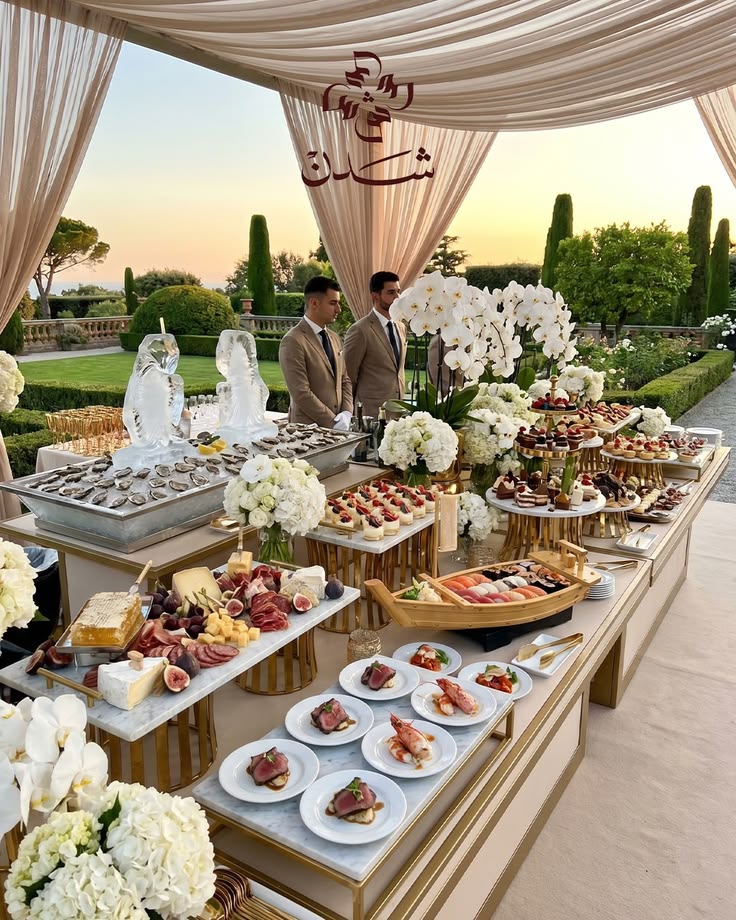
The food wraps around in a U shape so guests can reach in from the outside. You fit a lot of dishes in a smaller area than a long straight table. Staff can also stand inside the U and refill without pushing through the crowd. That helps a lot when the room is full.
5. The Station Style Buffet
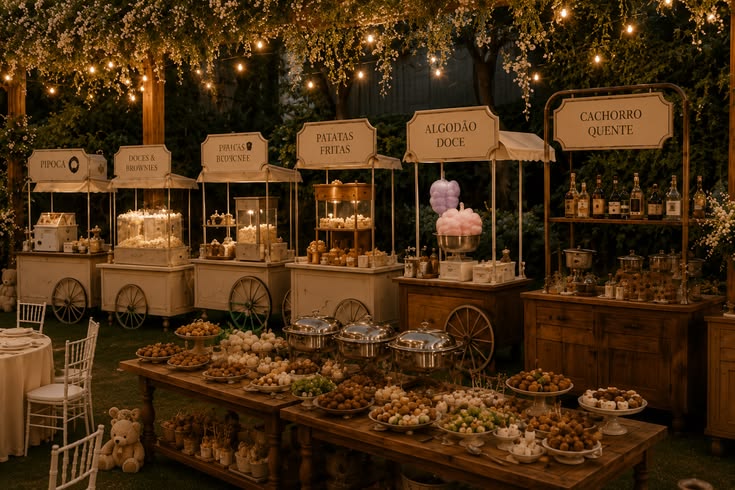
Instead of one long line, you spread the food into a few small stations around the room. Each one has its own theme, like pasta or salad or sliders. These buffet station ideas stop people from bunching up in one spot, and guests get to walk around and talk. It takes more space and more staff though.
6. The Carving Station
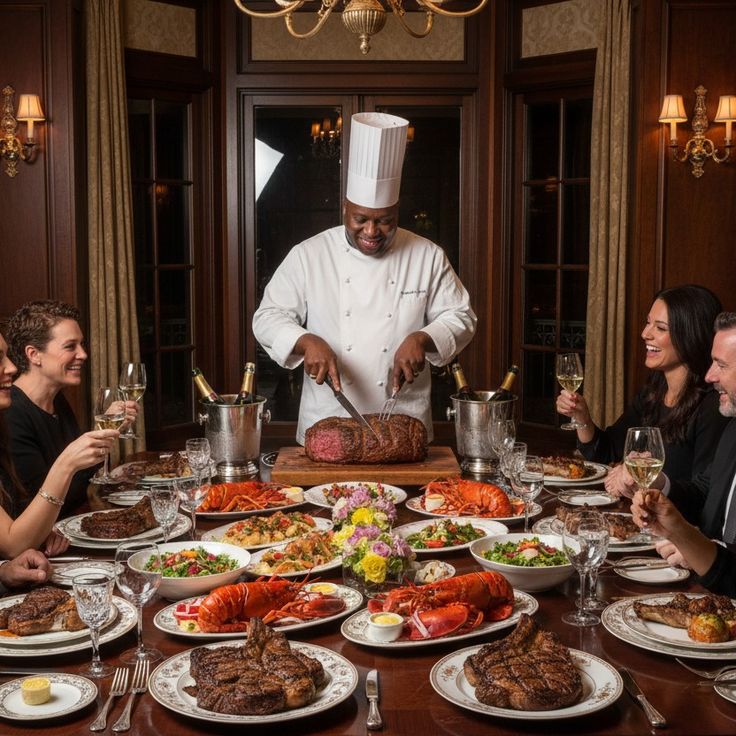
A chef slices the meat right in front of guests. It adds a little show and it’s popular at weddings and hotel dinners. It needs a warmer or heat lamp and a clear spot for the chef to work. Give it its own spot off the main line so it doesn’t slow everyone down.
7. The Pasta Station
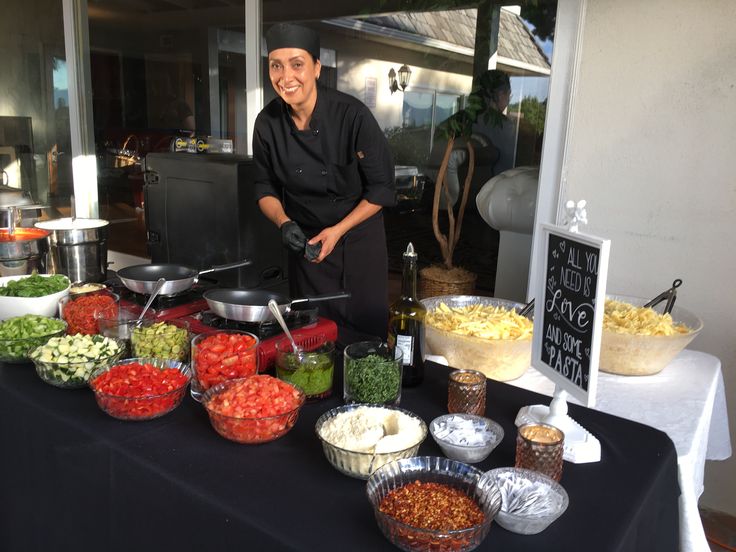
Guests pick their pasta and sauce and a cook puts it together fresh. It’s a popular pick when you’re looking at food station ideas for a wedding, because people like making their own plate. Keep the toppings in small bowls and the sauces warm. One cook can only move so fast, so think about a second cook for a big crowd.
8. The Dessert Station
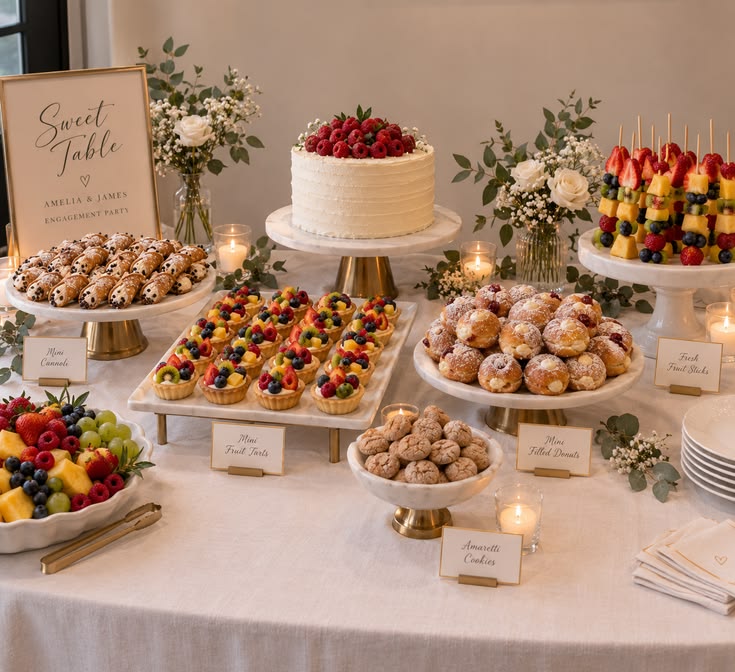
Sweets get their own table so the main line stays clean. It also gives guests a reason to walk around later in the night. Use cakes, cookies, small cups or fruit, whatever fits your event. Keep it away from the main buffet so people don’t grab dessert first and block the line.
9. The Family Style Buffet
With family style, the big plates go right on each guest table and people pass them around. There’s no line at all. It feels warm and works well for smaller weddings and rehearsal dinners. You need lots of serving dishes and enough room on every table, so it doesn’t suit very big rooms.
10. The Tiered Riser Buffet
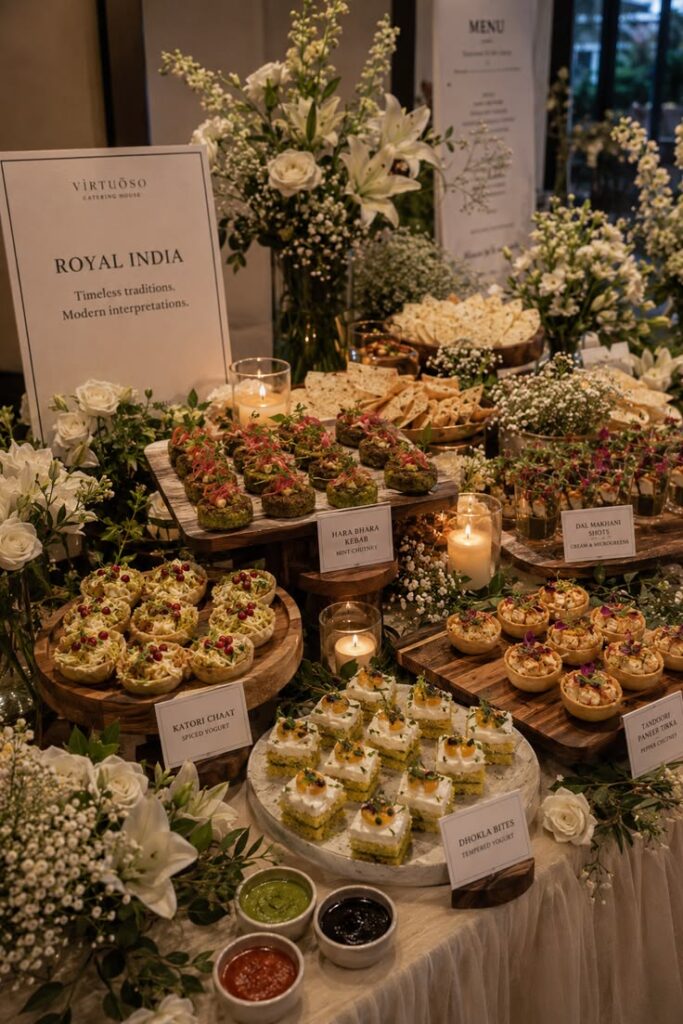
Risers are small steps or boxes that lift some dishes higher than others. The table looks full without adding more food, and guests can see everything from the back of the line. Use sturdy ones and keep the heavy dishes low. It’s also one of the easiest buffet table setting ideas to copy.
Custom-Built for Your Venue
Give Your Buffet Area a Better Look
From banquet halls and hotels to resorts and event venues, we design and build custom buffet counters that fit your space, style, and service needs.
Discuss Your Project11. The Grazing Table
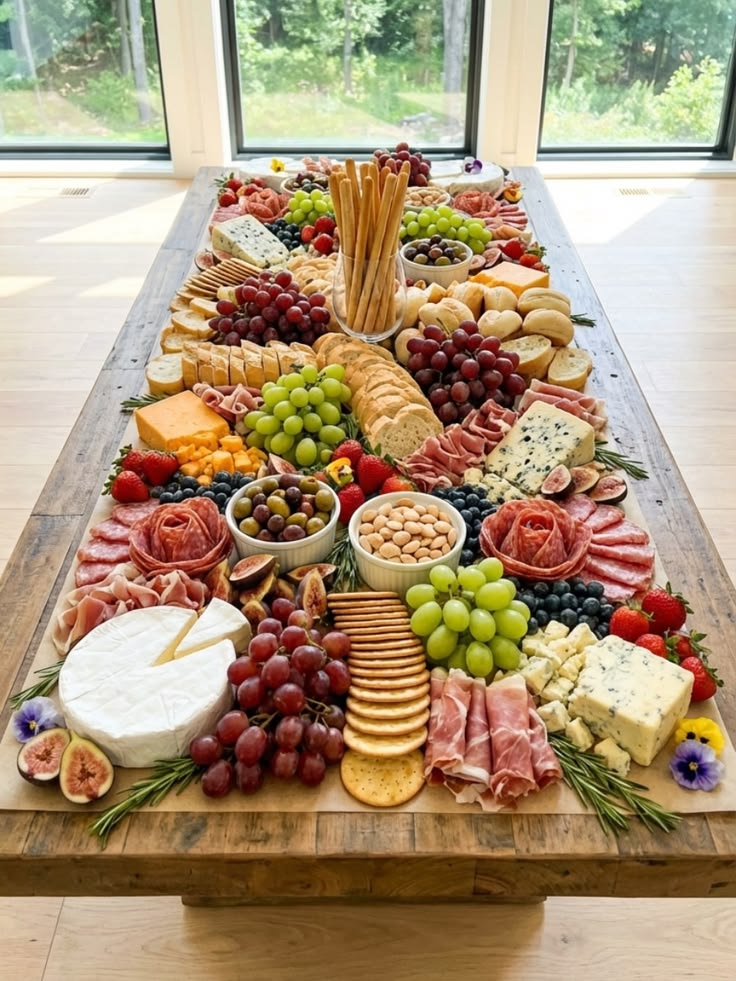
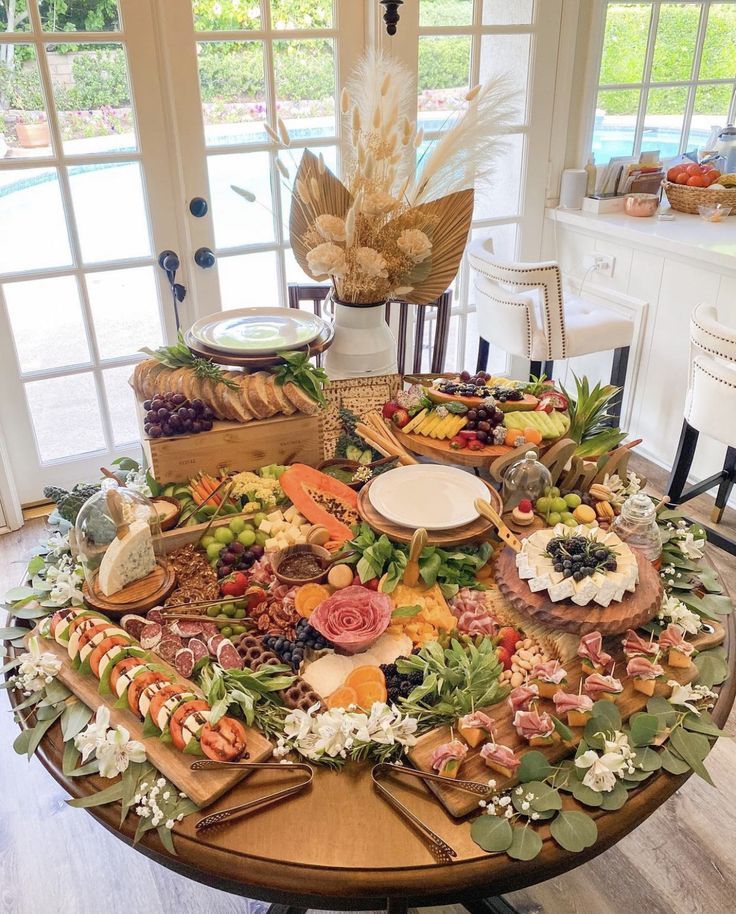
A grazing table is a long spread of cheese, fruit, bread, nuts and small bites. Guests just walk by and pick what they like, so there’s barely a line. It’s great for cocktail hour or lighter events. Put small plates and napkins on both ends since people graze from every side.
12. The Brunch Buffet
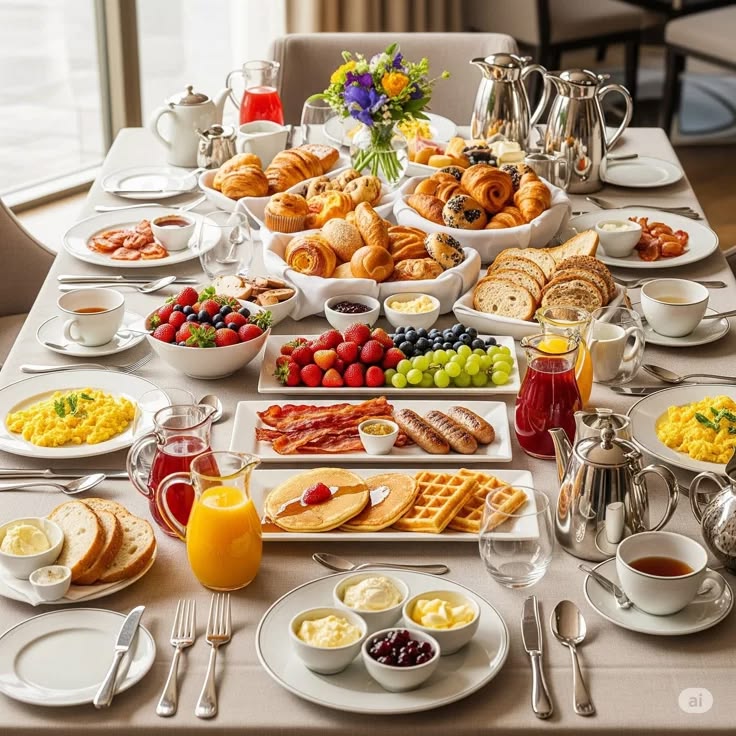
A brunch buffet mixes breakfast and lunch food, like eggs, pastries, fruit and a few hot dishes. Keep the hot and cold food apart so nothing gets lukewarm. A separate spot for coffee and juice keeps the main line short. It suits morning weddings, showers and work events.
13. The Hotel Breakfast Buffet Setup
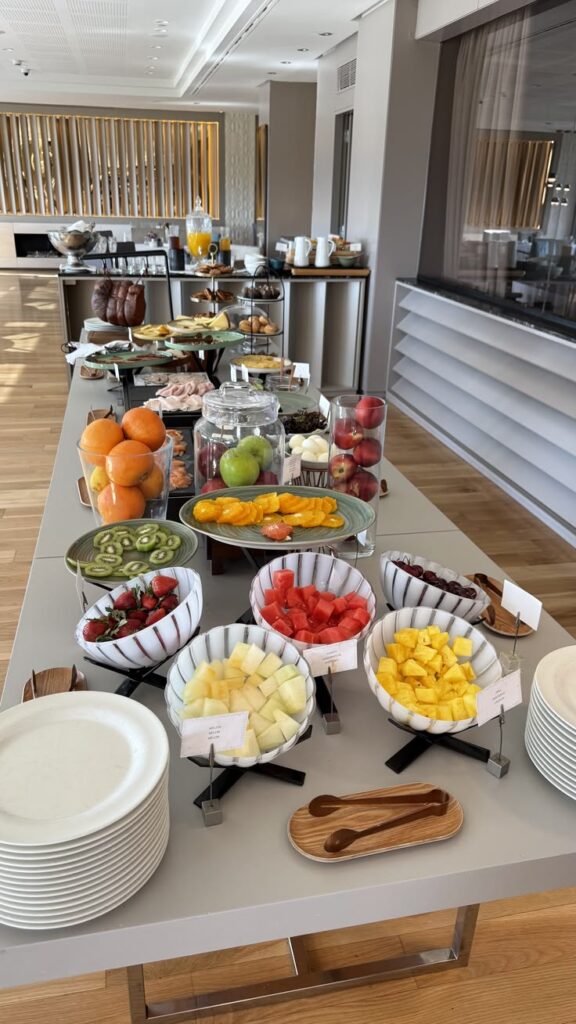
A hotel breakfast buffet setup is a little different, since guests come and go over a few hours. The counter has to be easy to refill from the back and the hot food has to stay hot the whole time. Splitting things into hot, cold and drinks keeps guests from crowding one spot. Clear labels help a lot too.
14. The Small Buffet
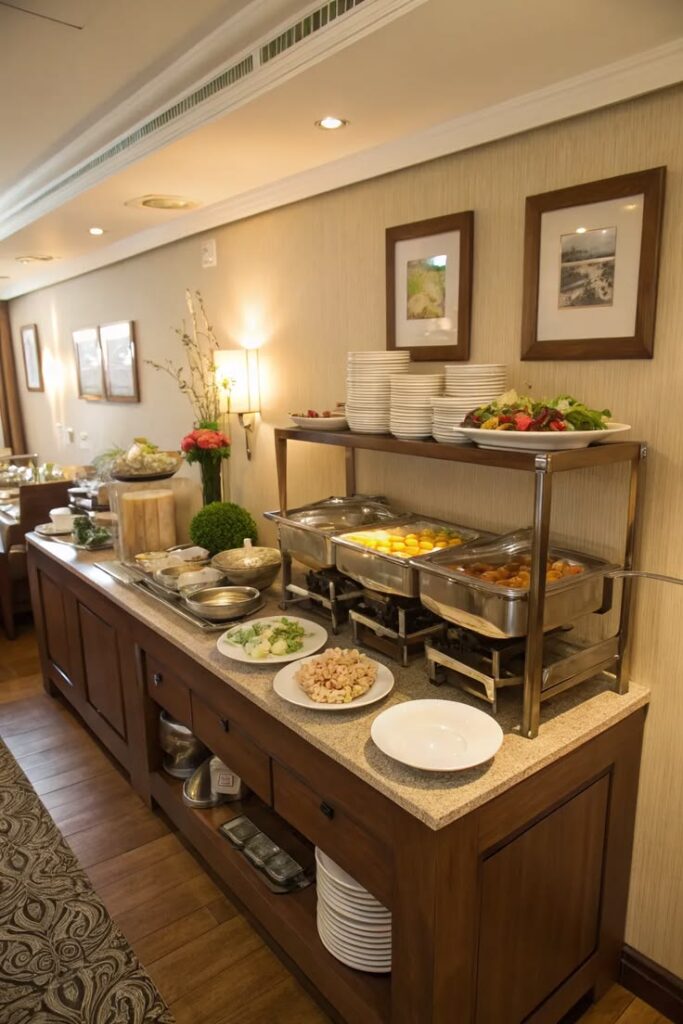
Small buffet setup ideas are really about using space well. A narrow table or a sideboard against a wall can feed a small group just fine. Put plates at one end and utensils at the other, and use boxes or stands so some dishes sit higher than others. Don’t spread the food out too much. A tight, neat setup looks better than a big table with empty spots.
15. The Simple DIY Buffet
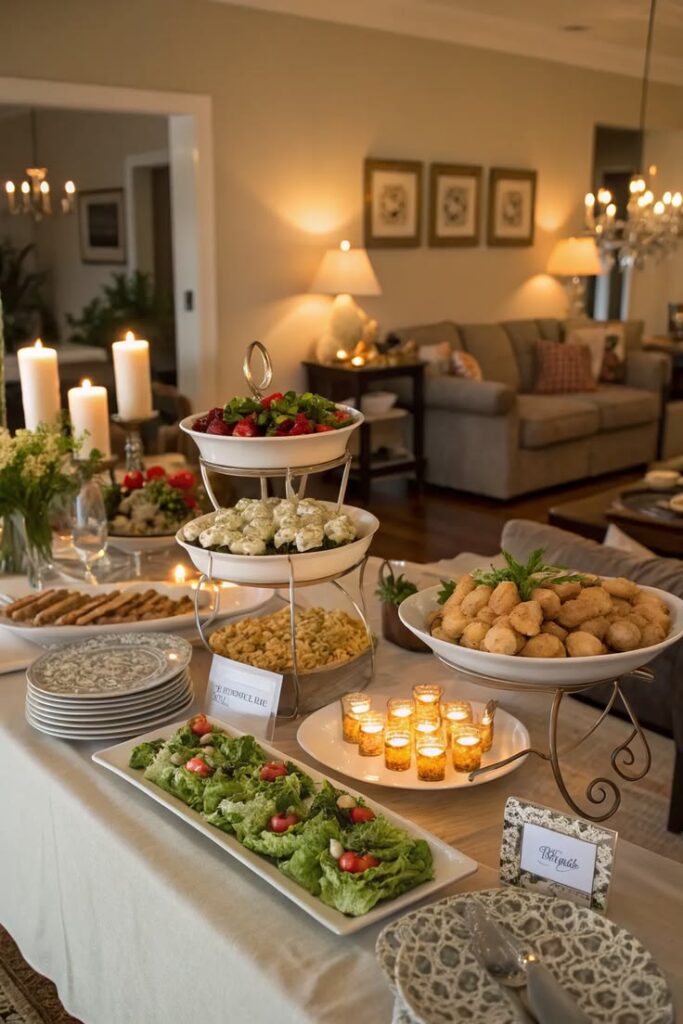
Not every party needs a big setup. For simple diy buffet setup ideas, a plain table, a cloth, a few risers and clear labels will do the job. Set your empty dishes out first to see how they fit before any food goes on. Plates go at the start, and forks and napkins go at the end. It’s also the easiest one to do at home, and it costs almost nothing.
16. The Outdoor Buffet
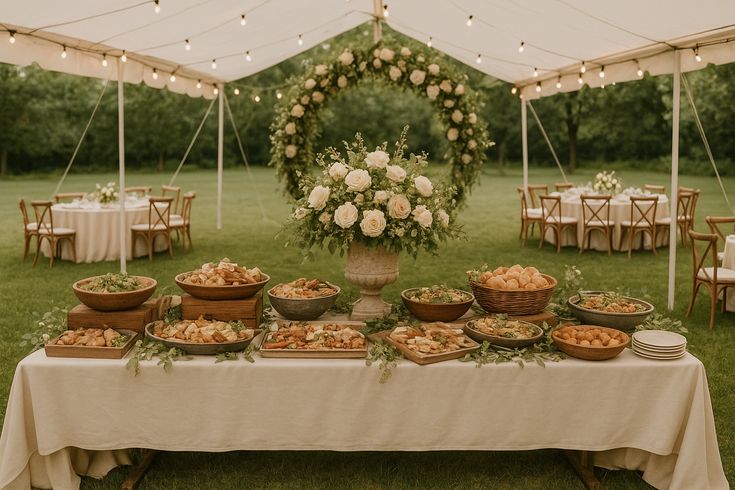
Outdoor buffets need a plan for sun, wind and bugs. Put the table in the shade if you can and use lids on the food. Keep it close to the kitchen or the caterer’s truck so refills are quick. Weights on the table cloth help a lot when the wind picks up.
17. The Catering Chafing Dish Buffet
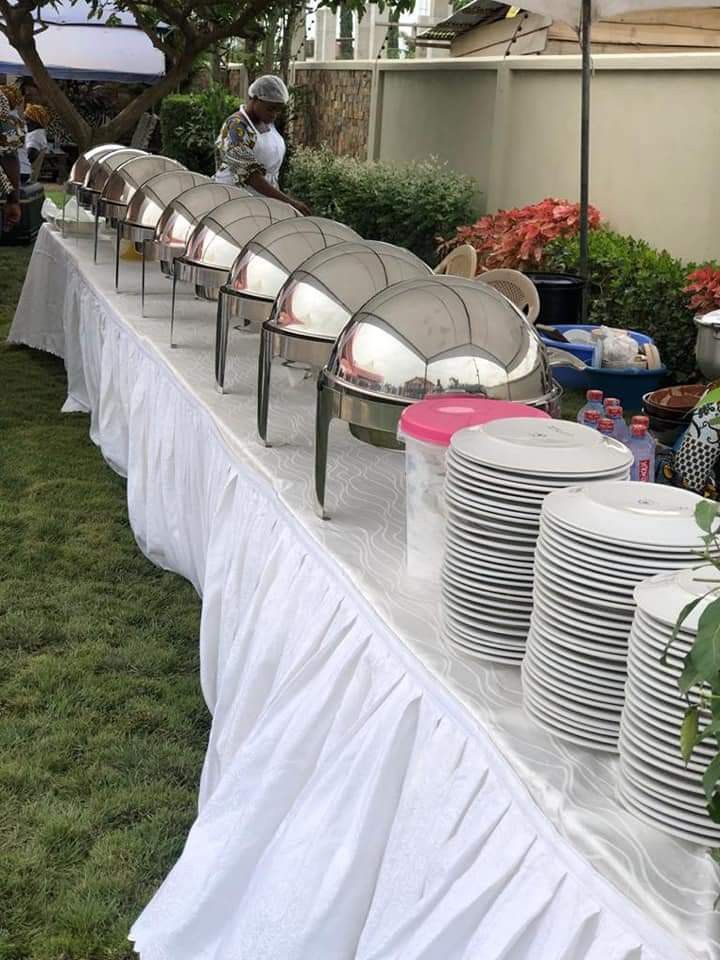
This is the classic buffet set up for catering. Metal chafing dishes with small fuel cans or electric warmers keep the food hot while guests go through the line. Set them in the order guests will take the food and leave a little room between dishes for serving spoons. Caterers like it because it’s easy to refill and move.
18. The Separate Drink Station
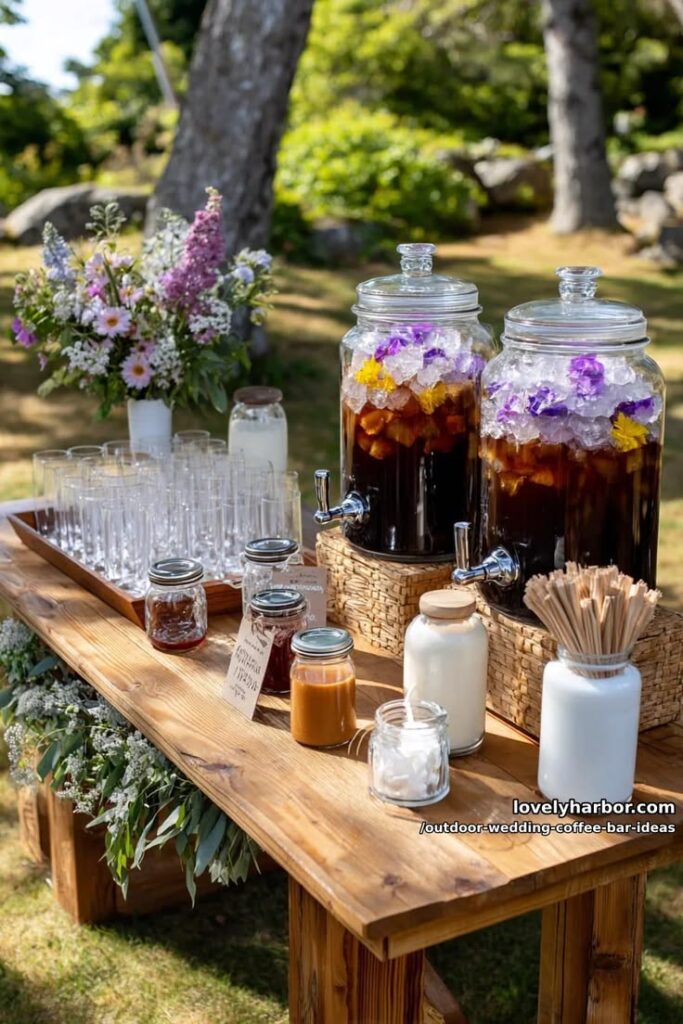
Drinks on their own table keep the food line moving, since people aren’t stopping to pour. Put it away from the start of the buffet so the two lines don’t mix. It also gives guests somewhere to go while they wait. If you want a bar too, take a look at our custom bar counters for ideas that match your buffet.
19. The Lit Built-In Buffet Counter
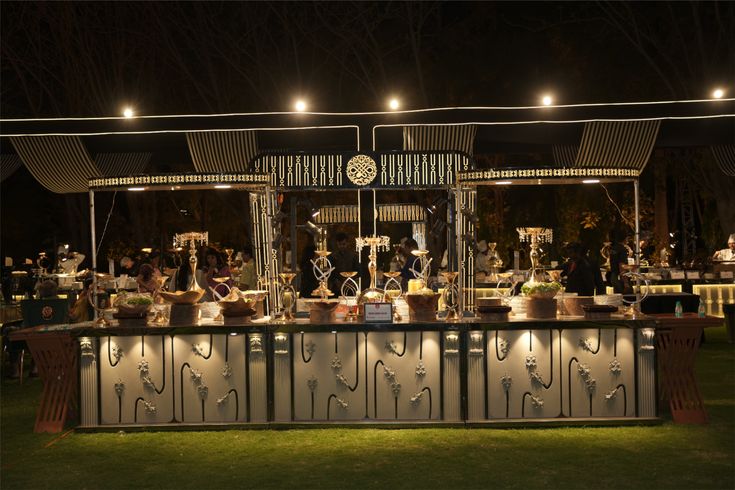
Instead of a folding table with a cloth, this counter is built for your room with lighting planned right into it. It looks clean, and the wiring can be hidden inside. The top can also be made from a surface that wipes down easy. It’s something a design and build team makes for your space. You can see the kind we make on our buffet counters page.
20. The Matched Interior Buffet Counter
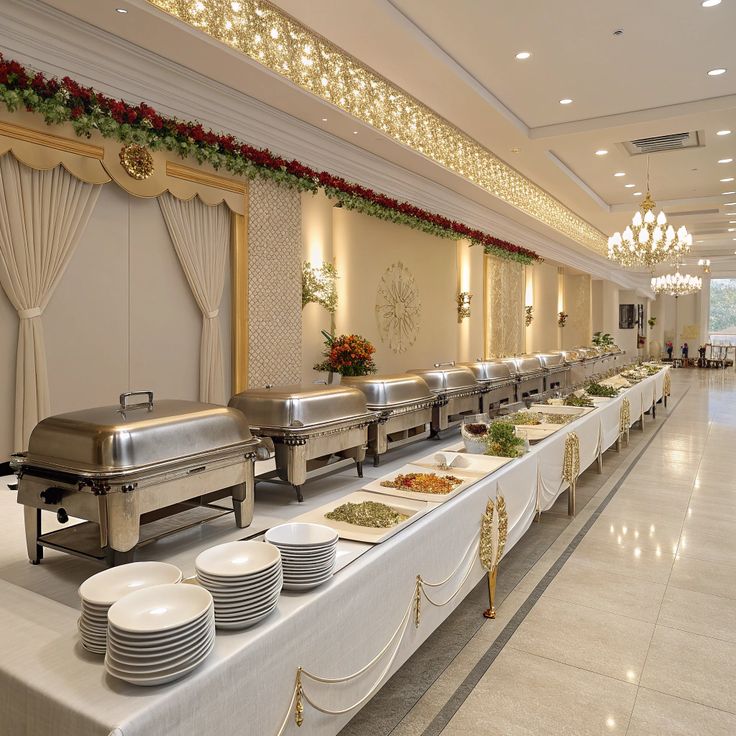
With this setup the counter matches the room, like the same wood tone or color or even the same wall panels as the rest of the space. It stops the buffet from looking like something that was just dropped in. If your venue hosts events a lot, a permanent counter also means you don’t build and take down tables every time. Our wall panels can match it too.
How to Set Up a Buffet Line Step by Step
Here’s how to set up a buffet line the easy way. The order matters more than most people think.
- Put the plates at the very start so guests don’t carry them around.
- Next come cold dishes like salads and bread.
- Then the hot sides and the main dishes.
- Sauces and toppings go right next to the dish they belong with.
- Forks, knives and napkins go at the end of the line or on the guest tables, so hands are free while people fill their plates.
- Do a dry run with empty dishes first so you know everything fits.
- Add a label and a serving spoon for every dish.
Buffet Table Layout: Which One Fits Your Room
A good buffet table layout starts with your room, not the food. Measure the space and mark the door, the kitchen, the dance floor and the seating before you place anything. Then pick from these four.
Straight line. Best for small rooms or when you only have one wall to use.
Double sided. Best for bigger crowds when you can walk all the way around.
Island. Best when you want the food in the center and have space to spare.
U shape. Best when you have lots of dishes and want staff to refill from the inside.
How Many Buffet Lines Do You Need
There’s no one number that works for every event. It depends on the food, the staff and how fast your guests move. So here’s an easy way to work it out. Count your guests. Ask your caterer how many guests one line can serve in a good amount of time, because they usually know from past events. Then divide your guest count by that number. That’s how many lines you need. If you get more than one, a double sided buffet or a second station is easier than one super long table. It also helps to let guests go up one table at a time instead of all at once.
Banquet Hall Buffet Setup
A banquet hall buffet setup works best when the buffet doesn’t fight with everything else in the room. Keep it away from the main door so guests don’t pile up as they walk in. Put it close enough to the kitchen that refills are quick. Stay away from the dance floor and keep the bar line separate. Leave enough room that people walking up don’t bump into guests who are already seated. And check where the power outlets are before you plan the layout, because warmers and lights need them.
Wedding Buffet Setup Tips
A wedding buffet setup has a few extra things to think about, since everybody eats at the same time. Let the head table go first and then call the other tables one by one so the line stays short. Label each dish so guests with allergies can check what’s in it. Have extra staff ready to refill, because a half empty tray looks bad in photos. Keep the cake and the drinks on their own tables so the main line only has dinner.
Buffet Setup Equipment Checklist
This is the buffet set up equipment most events need.
- Tables or a counter
- Table covers or linens
- Chafing dishes or warmers, plus fuel
- Cold pans or ice for cold dishes
- Serving spoons, tongs and spatulas for every dish
- Plates, napkins and utensils
- Food labels
- Risers for height
- Extension cords if you use electric warmers
- A trash bin close by
Buffet Setup Ideas at Home
You don’t need a big room to pull off a good buffet at home. A dining table pulled a little away from the wall works well, because guests can reach it from both sides. A kitchen island or a sideboard works too, and it keeps the food close to where you cook. Space is tight in most homes, so use boxes or stands to build height instead of spreading dishes out. Put drinks and dessert on a different counter so the main buffet doesn’t get crowded. Leave a little room at the edge so guests have a spot to set their plate down when they need two hands for the tongs.
Buffet vs Plated Dinner for a Wedding
A buffet lets guests pick what they want and take as much as they like. It feels relaxed and works well when guests have different tastes. The downside is the line and the space it needs. A plated dinner is more formal. Servers bring the food to each seat so nobody leaves their table, but guests get fewer choices and you have to plan meals ahead. People think buffets are always cheaper. That’s not always true, since you may need more food and extra staff to keep it stocked. Ask your caterer to price both.
Why the Counter Itself Matters
Most guides talk about cloths and flowers and say nothing about what the food sits on. A folding table is fine for one night. But if your venue holds events all the time, you set it up and take it down every time and hide the legs under a cloth. A built-in counter can fix a lot of that. The height can be planned around your dishes and how your staff serves. The top can be a surface that wipes clean fast. Lighting and wiring for warmers can be planned in from the start. And it can match the rest of your room. A design and build team can make one for your exact space.
How to Pick From These Buffet Setup Ideas
Start with your room and your guest count, not the pretty pictures. A small room does better with a straight line or a U shape. A big room can handle a double sided buffet or a few stations. Then think about who’s serving, how long the food has to stay warm, and how the counter looks in the room. Pick two or three that fit and build from there.
Frequently Asked Questions
What is the best way to set up a buffet?
Start with your room and pick a layout that leaves space to walk. Put plates first and utensils last, keep hot and cold food apart, and label every dish.
Which side do plates go on?
Plates go at the start of the line, and utensils and napkins go at the end. Pick the direction guests will walk and set everything out in that order.
How many people can one buffet line serve?
It depends on the food, the staff and how fast guests move. Ask your caterer for the number from past events, then divide your guest count by it.
How much space do you need around a buffet?
Enough that guests can walk up, serve and leave without bumping into seated people. Leave extra room if guests will use both sides. Measure the room and mark the walkways before you place the table.
Is a buffet cheaper than a plated dinner?
Not always. A buffet can need more food and more staff to keep it full, so ask your caterer to price both.
Do you need a separate drink station?
You don’t have to, but it helps. Drinks on their own table keep people from stopping the food line to pour.
How do you set up a buffet for a small group?
Use one narrow table or counter, put plates at the start and utensils at the end, and keep the dishes close together. Different heights make a small table look full.